

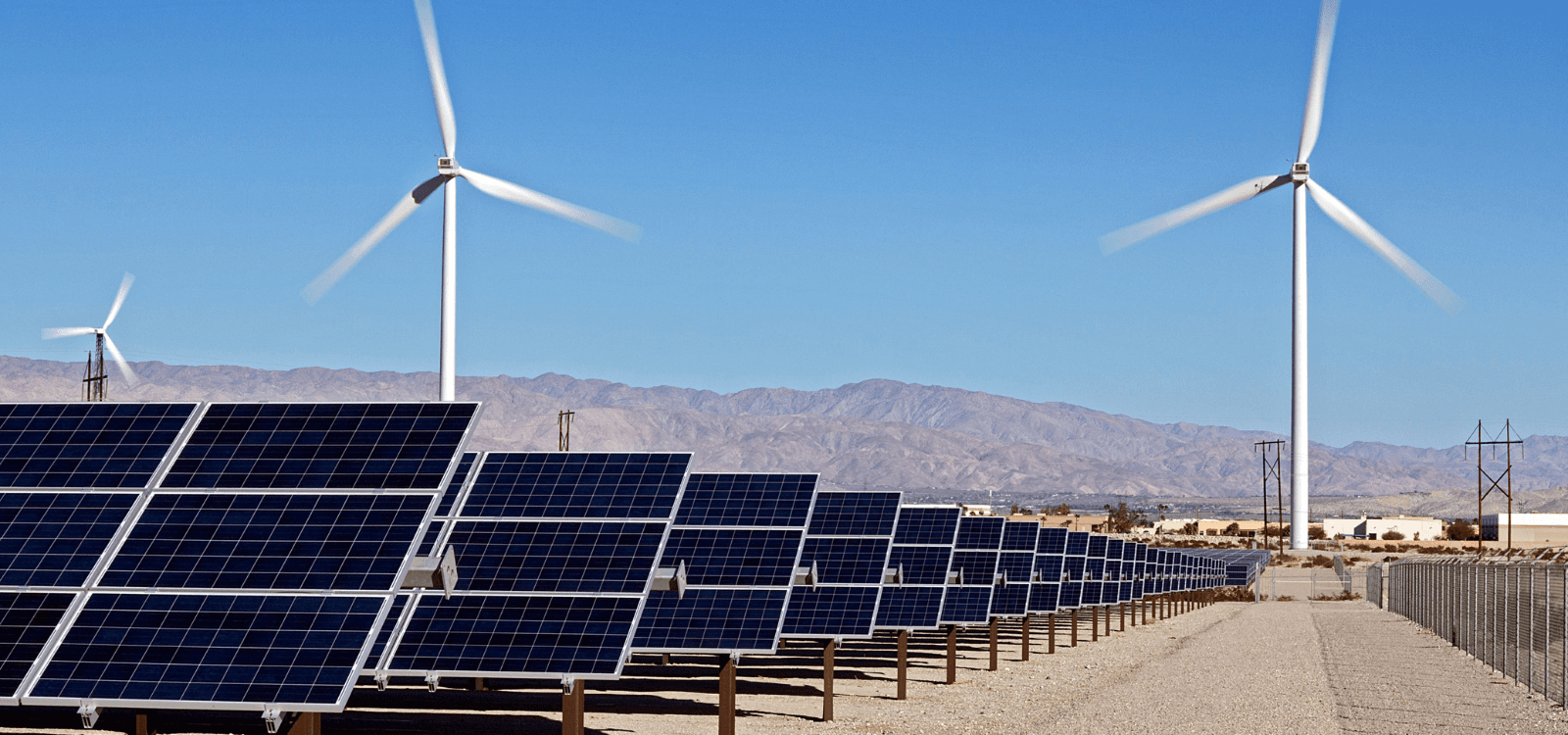
Trump called wind and solar the scam of the century. Analysts point to gas prices, demand, and aging grids. What's really driving electricity bills up.
In August 2025, President Trump called wind and solar "THE SCAM OF THE CENTURY!" on Truth Social and vowed to block new projects. He has blamed renewable energy for rising electricity prices.
Energy analysts quoted by the Associated Press pointed elsewhere: natural gas prices, surging demand from data centers, aging infrastructure, and extreme weather.
Here is what's actually driving electricity bills higher, what the data says about renewables and prices, and what it means for solar owners.
What Did Trump Say About Renewable Energy?
Trump called wind and solar "THE SCAM OF THE CENTURY!" in an August 2025 Truth Social post and vowed to block new wind and solar projects, according to the Associated Press.
The comments came as electricity prices were rising across much of the country. The administration has also moved to cut federal support for renewables, including through the One Big Beautiful Bill Act.
Industry groups and many energy analysts disagreed with the claim that renewables are driving up bills.
What's Actually Driving Electricity Prices Higher?
Analysts point to four main drivers: rising natural gas prices, surging electricity demand, aging grid infrastructure, and extreme weather, according to the AP.
The breakdown:
- ●Natural gas. Gas generates more than 40% of U.S. electricity, and its prices have been rising sharply as exports grow.
- ●Data centers. AI and cloud computing are pushing demand to record levels.
- ●Electrification. Electric vehicles and heat pumps add steady new load.
- ●Infrastructure and weather. Aging equipment and climate-driven disasters raise maintenance and upgrade costs.
Because gas sets the price of power in many markets, gas price swings flow directly to bills. We've covered why natural gas is no longer the cheap option it was once assumed to be.
How Does Natural Gas Affect Electricity Prices?
In many U.S. power markets, the most expensive plant needed to meet demand sets the price for everyone, and that plant is often gas-fired. So when gas prices rise, wholesale electricity prices tend to follow, even for power that came from other sources.
Solar and wind have no fuel costs. Once built, they produce power at very low marginal cost, which can push wholesale prices down during the hours they're generating.
That's why analysts argue that more renewables tend to reduce exposure to fuel price swings rather than add to it. The volatility on customer bills tends to track fuel prices, not panels and turbines.
What Do Industry Groups and Analysts Say?
Clean energy groups argue renewables are helping hold prices down, not pushing them up. The Solar Energy Industries Association responded: "The real scam is blaming solar for fossil fuel price spikes."
Other responses reported by the AP:
- ●Ted Kelly, Environmental Defense Fund. "Blocking cheap, clean energy while doubling down on outdated fossil fuels makes no economic or environmental sense."
- ●Jason Grumet, American Clean Power Association. "More than 90 percent of new energy capacity that came online in the US in 2024 was clean energy."
- ●Sen. Martin Heinrich. Warned the approach would "kill jobs and projects" needed to meet rising demand.
The question isn't whether to use every resource. It's why the fastest and cheapest ones are being pushed aside.
What Does the Cost Data Show?
Independent cost analyses continue to find that new solar and wind are among the cheapest sources of new electricity in the U.S. Lazard's latest analysis found renewables still offer the lowest levelized cost, even as all technologies got more expensive.
Restricting them has a price. One economic study estimated that constraining wind and solar could add $121 billion in unnecessary energy costs.
Clean energy has also become the leading source of new U.S. power. In 2025, solar and batteries led record additions to the grid.
Why Does Demand Growth Matter So Much?
Electricity demand is growing faster than it has in decades, and when demand outpaces new supply, prices rise regardless of the energy source.
Data centers are the biggest new factor. We've covered how AI is partly to blame for rising electric bills, with U.S. prices up sharply since 2020.
Solar and storage can be built faster than most other new resources. Slowing them down while demand climbs tends to make the supply gap, and the price pressure, worse.
What Happens as Federal Support Shrinks?
The One Big Beautiful Bill Act phases out federal tax credits for many new wind and solar projects, which is expected to slow new clean energy development. We covered the details in how the bill cuts clean power incentives.
Fewer new projects means less new supply competing to meet demand. Several analyses have projected higher electricity prices as a result.
That makes the clean energy already on the grid more important, not less.
What Does This Mean for Existing Solar Owners?
As new renewable development slows and demand keeps rising, existing solar systems become more valuable because they're already built, connected, and producing low-cost power.
But many commercial systems installed in the 2010s are losing output to aging inverters or degraded panels. Every kilowatt-hour they don't produce is power that has to come from somewhere else, often at a higher price.
Repowering an aging PV system restores that output without new land, permits, or a spot in an interconnection queue.
Start With a Ballpark Estimate
Whatever the political debate, working solar keeps producing low-cost power. Find out what your existing solar project may be worth before deciding whether to repair, repower, or sell.
Sources: Associated Press via Arab News, "Trump blames renewable energy for rising electricity prices. Experts point elsewhere"; AP News; E&E News via Politico Pro, "Trump revives attacks on renewable energy as solar surges"
Ready to Discuss Your Project?
Get your instant estimate or talk to our team about your legacy solar project.


