

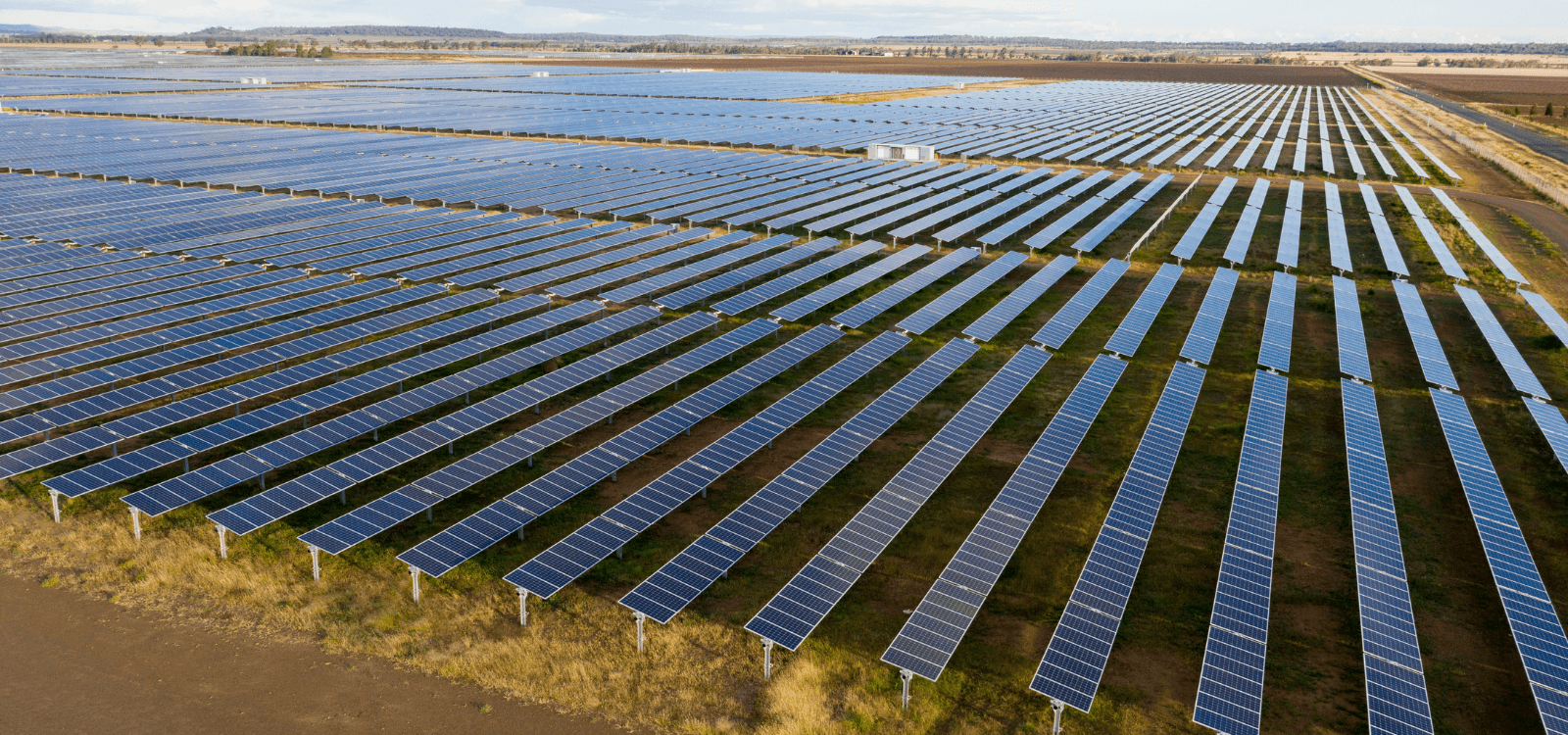
EIA now expects U.S. power generation to grow 2.3% in 2025 and 3% in 2026, led by solar and storage. What's driving demand and what it means for solar.
The U.S. electric grid is growing faster than forecasters expected. In September 2025, the U.S. Energy Information Administration said it now expects power generation to grow 2.3% in 2025 and 3% in 2026, up from the 1.5% annual growth it projected in January.
Data centers, industrial customers, and a cold start to 2025 drove the change. Solar is doing most of the work to keep up.
Here is what the EIA forecast, which power sources are growing, and what it means for bills and for solar owners.
How Fast Is U.S. Electricity Generation Growing?
The EIA forecast in September 2025 that U.S. power generation would grow 2.3% in 2025 and 3% in 2026, compared with 1.5% a year in its January outlook, according to Utility Dive.
The EIA pointed to three drivers:
- ●Data centers. Rapidly growing demand for AI and cloud computing.
- ●Industrial customers. New and expanding manufacturing loads.
- ●Weather. Colder-than-expected weather in early 2025.
It also cited load assessments from ERCOT and PJM, two of the regions seeing the fastest growth. We've covered how U.S. electricity demand is setting records.
How Much Electricity Will the U.S. Generate?
The EIA expects U.S. generation to rise from about 4,300 billion kWh in 2024 to about 4,400 billion kWh in 2025 and 4,530 billion kWh in 2026, according to Utility Dive.
That's roughly 230 billion kWh of added generation in two years. For comparison, it's more than three times the extra power utility-scale solar is expected to add in 2025 alone.
After years of flat demand, that pace of growth is a major shift for utilities and grid operators. It means more generation, more transmission, and more distribution capacity, all at once.
Which Power Sources Are Growing?
Solar is leading U.S. generation growth, with utility-scale solar expected to produce 33% more electricity in 2025 than in 2024, an extra 72 billion kWh, according to Utility Dive.
The EIA's picture for 2025:
- ●Utility-scale solar. Up 33%, or 72 billion kWh.
- ●Wind. Up about 4%.
- ●Hydropower. Up about 2%.
- ●Nuclear. Up slightly, rising about 2% the following year with the Palisades plant restart in Michigan.
- ●Natural gas. Down about 3%, despite high demand.
The EIA has also projected that utility-scale solar will supply most new U.S. generation through 2027.
How Much New Capacity Is Coming Online?
The EIA expected 63 GW of new utility-scale generating capacity in 2025, with solar and battery storage making up 81% of it.
According to the EIA:
- ●Solar. 32.5 GW, led by Texas and California.
- ●Battery storage. 18.2 GW, a potential record.
- ●Wind. 7.7 GW.
- ●Natural gas. 4.4 GW.
Texas led expected solar additions with 11.6 GW, followed by California with 2.9 GW, according to the EIA. Large projects were also planned in states including Indiana, Michigan, Arizona, Florida, and New York.
Solar plus storage is becoming the default answer to rising demand. It can be built faster than most alternatives, and batteries let solar serve evening peaks.
Solar and storage aren't a niche add-on anymore. They're how the grid is keeping up.
Why Is Natural Gas Generation Falling?
Natural gas generation is expected to fall about 3% in 2025 because gas prices are roughly 40% higher than in 2024, according to the EIA. Some utilities are leaning on coal as a result.
When gas is expensive, grid operators dispatch cheaper sources first. In Texas and the Midwest, new solar is displacing gas generation, according to Utility Dive.
We've covered how natural gas is no longer the cheap option it was once assumed to be. Higher gas prices also push up electricity bills in markets where gas sets the price of power.
What Happens When Supply Can't Keep Up?
When demand grows faster than supply, prices rise, and New Jersey showed how quickly that can hit customers.
In 2025, PJM's capacity costs surged, and some New Jersey households saw bills jump by several hundred percent from one month to the next. We covered it in New Jersey's electric bill crisis.
The lesson for every region is that speed matters. Resources that take a decade to build can't help with demand that's arriving now.
What Would Help the Grid Keep Pace?
Keeping up with demand will take more solar and storage, faster permitting and interconnection, and full output from the systems already built.
Priorities:
- ●Keep building solar. It's the fastest-growing source of new supply.
- ●Add storage. Batteries turn midday solar into evening capacity.
- ●Clear bottlenecks. Faster permitting and interconnection get projects online sooner.
- ●Maximize existing assets. Systems already connected should produce at full capacity.
If the U.S. can do those things, the grid can meet rising demand with affordable, reliable, and cleaner power.
What Does This Mean for Existing Solar Owners?
Rising demand makes every kilowatt-hour from existing solar more valuable, because it's already built and connected while new supply races to catch up.
Many commercial systems installed in the 2010s are losing output to aging inverters or degraded panels. Repowering an aging PV system can restore that output without a new interconnection queue.
Start With a Ballpark Estimate
Demand is growing faster than expected. Find out what your existing solar project may be worth before deciding whether to repair, repower, or sell.
Sources: Utility Dive, "Electric grid growing faster than anticipated: EIA"; EIA, "Solar, battery storage to lead new U.S. generating capacity additions in 2025"
Ready to Discuss Your Project?
Get your instant estimate or talk to our team about your legacy solar project.


