

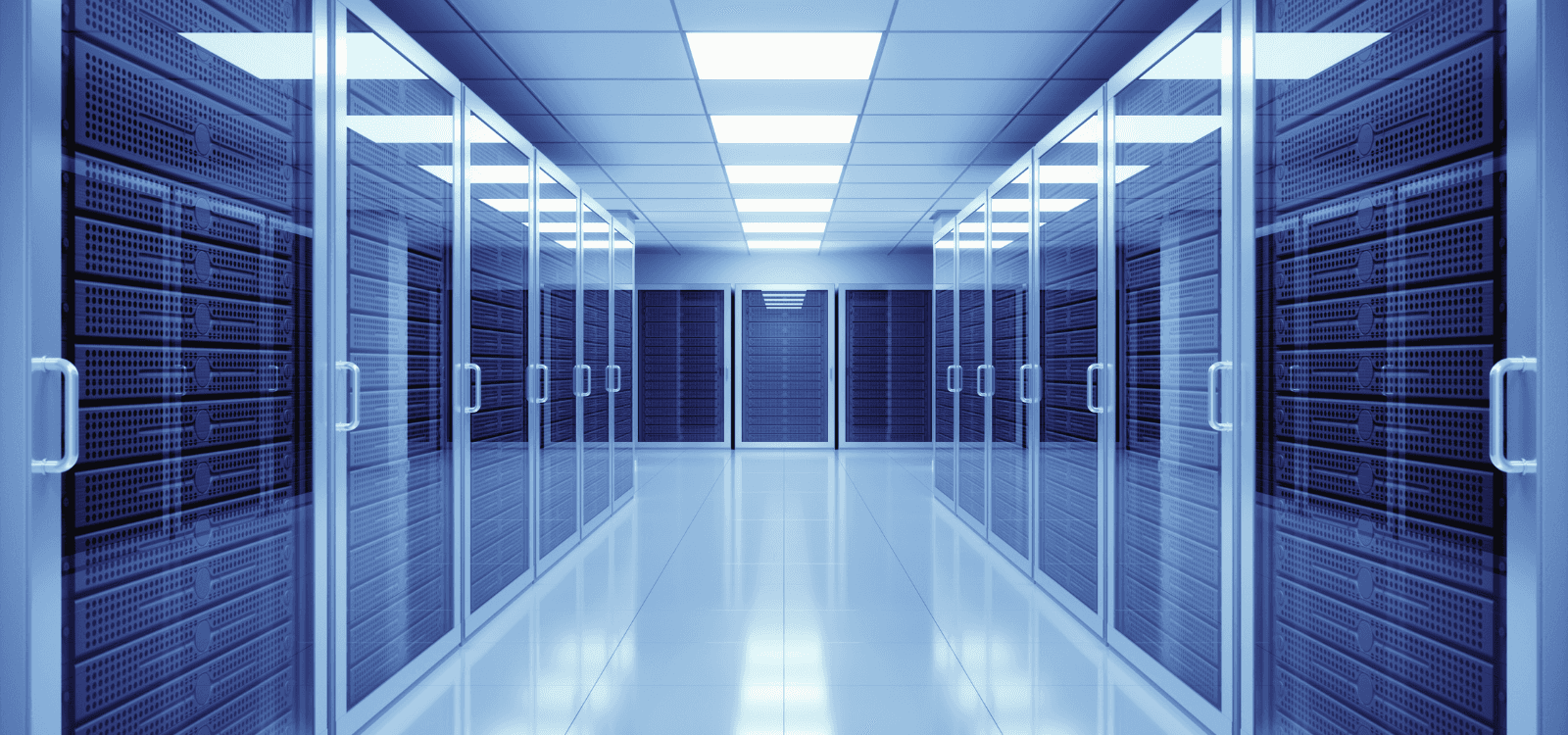
A proposed 9 GW data center in Utah plans to generate its own power and operate largely off-grid. The scale raises questions about water use, infrastructure readiness, and how projects this large impact local systems.
A 9 GW Data Center in Utah Could Rival a State’s Power Demand
A proposed data center campus in Utah could use more electricity than the entire state.
The 9 GW hyperscale project in Box Elder County, backed by Kevin O'Leary, is now under review. At full buildout, it would be about 2.5 times the size of Manhattan.
Phase one alone is expected to reach around 3 GW. For context, Utah’s average statewide electricity demand is roughly 4 GW.
A Different Approach to Power
The project plans to generate its own electricity on-site using natural gas, connected to the Ruby Pipeline. The goal is to avoid drawing power from the existing grid.
There is also the possibility of sending excess power back to the grid in the future, though details are still limited.
Incentives and Economic Impact
The proposal includes significant tax incentives:
- ●Energy use tax reduced from 6% to 0.5%
- ●Property tax set at 0.927%, with 80% returned to the developer
The project is expected to create around 2,000 permanent jobs once operational, though how that aligns with a largely automated facility remains unclear.
Water Use Is a Key Unknown
Water is part of the design, but details are limited. The project proposes a low-water or closed-loop cooling system, where water is reused instead of discharged after a single use.
The site includes about 3,000 acre-feet of water rights. What remains unclear is daily consumption and how much water will be required at full scale.
Large data centers can use up to about 5 million gallons per day depending on cooling methods. At 9 GW, the scale raises new questions about long-term water demand and system capacity.
Infrastructure vs. Speed
The project is still in the approval process, with additional public meetings expected. Local input will likely focus on resource use and infrastructure readiness.
Recent events highlight why this matters. In places like Corpus Christi, water constraints are already forcing conservation measures while large industrial users consume a significant share of supply.
The situations are different, but the underlying issue is similar. Large projects can move quickly. Infrastructure systems move more slowly.
The Real Question
At this scale, power and water are not side considerations. They are core constraints.
The project proposes solutions for both, but key details remain unresolved. How much water will be used daily. How resilient the on-site power system will be. How local infrastructure will adapt.
When projects reach this size, the timeline for development and the timeline for infrastructure need to align.
The question is not just whether the project can be built. It is whether the systems around it are ready.
Ready to Discuss Your Project?
Get your instant estimate or talk to our team about your legacy solar project.


