

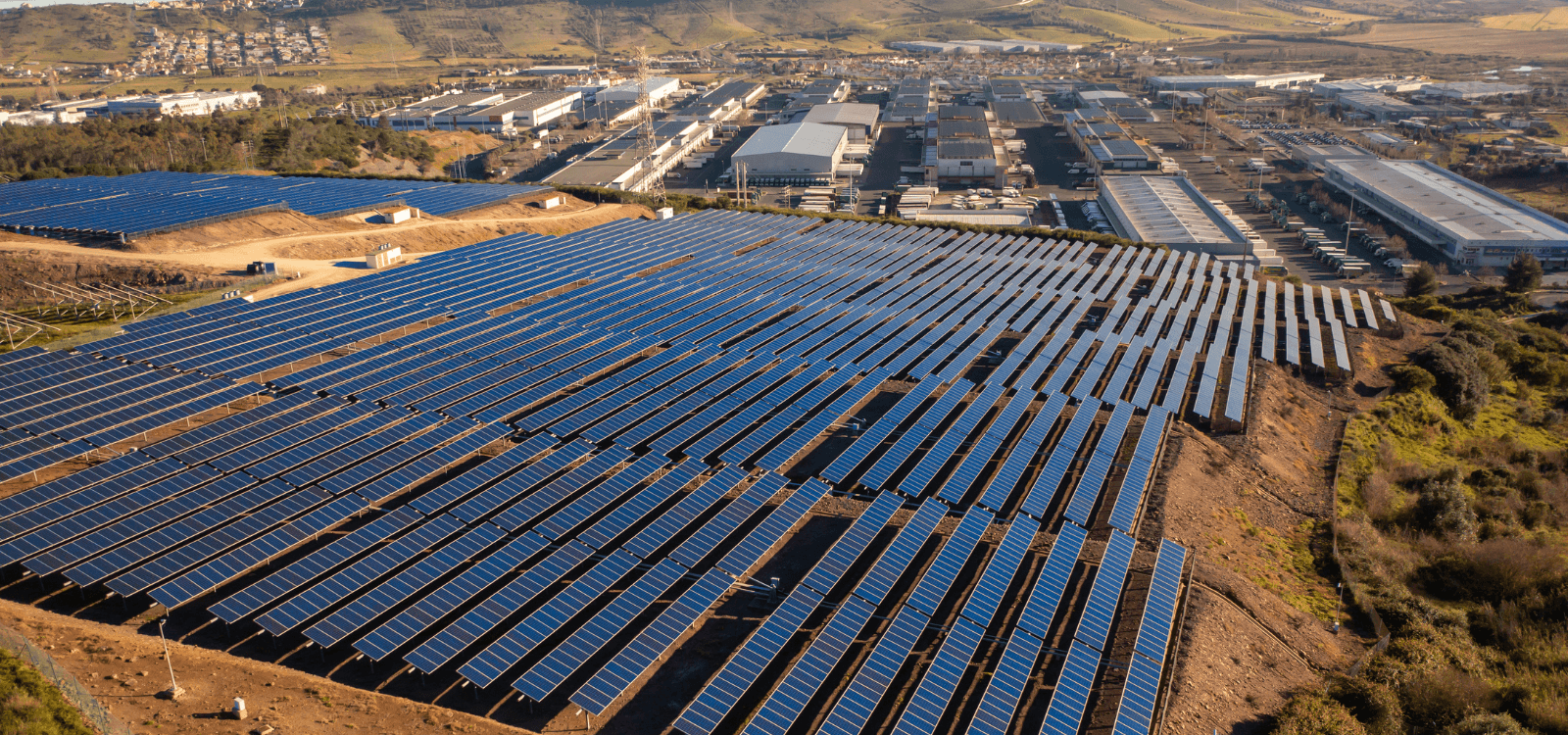
Solar hit 25% of EU electricity in June 2026, a second straight monthly record, as Europe's post-Ukraine energy strategy pays off.
Solar just broke Europe's electricity record for the second month running. In June 2026, solar supplied 25% of the EU's electricity — topping the record of 23% it had set just a month earlier in May — making it the bloc's single largest source of power for a second straight month.
Five years ago, even in peak summer, solar covered barely 10% of EU electricity. That jump didn't happen by accident. It traces back to a single geopolitical shock: Russia's 2022 invasion of Ukraine, and the scramble to cut Europe's dependence on Russian gas that followed.
For any solar owner tracking how quickly an energy market can shift, the EU's last five years are worth a close look — both for what triggered the change and for what it signals about where power markets are headed next.
How Much of the EU's Electricity Is Solar Now?
Solar supplied 25% of EU electricity in June 2026, breaking the record it had just set the month before at 23% in May. That's up from roughly 10% during peak summer months just five years ago — a two-and-a-half-fold increase in solar's share of the mix in under a decade.
The growth wasn't gradual background noise. Most of it happened in a concentrated burst after 2022, when the invasion of Ukraine forced the EU to rethink where its power was coming from.
Why Did the Ukraine Invasion Trigger This Growth?
Before 2022, Europe relied heavily on Russian natural gas for both electricity and heating. When the invasion hit, that dependence became a liability overnight: energy prices spiked to record highs, and households and businesses across the continent faced soaring bills.
EU leaders responded by committing to cut reliance on Russian fossil fuels — diversifying supply, reducing fossil fuel use, and speeding up the shift to cleaner power. The European Commission turned that commitment into policy with REPowerEU, a strategy built around one core idea: electricity generated inside Europe is electricity that can't be disrupted by an outside supplier. Solar and wind expansion became a central piece of that plan, directly displacing the coal and natural gas the bloc had leaned on for decades.
Which EU Countries Are Leading the Shift?
The record-setting EU-wide average is pulled up by a handful of countries where solar has become a dominant power source, not just a supplement:
- ●Spain. Generated 34% of its electricity from solar in June 2026, part of a broader shift that's also decoupling Spanish power prices from gas costs.
- ●Germany. Solar supplied about 36% of electricity in June.
- ●Hungary. Solar reached nearly 50% of the country's electricity — among the highest shares in the EU.
These aren't small, sunny outliers. They're three of the EU's largest economies proving that solar can carry a meaningful share of national demand, not just contribute at the margins.
What Has This Done to Emissions and Fossil Fuel Use?
As solar and wind have steadily displaced coal and natural gas, the effect on Europe's power sector has been measurable. Between 2020 and 2025, carbon dioxide emissions from EU power generation fell by nearly 20%, while fossil-fuel generation dropped to its lowest level in more than four decades.
That's the practical payoff of the REPowerEU strategy: energy security and emissions reduction moving in the same direction, driven by the same set of policy decisions.
Will the Growth Continue Amid the Iran Conflict?
Europe isn't treating this as a one-time win. The ongoing conflict involving Iran has triggered another spike in fossil fuel prices — echoing the 2022 shock — and analysts expect the EU to respond the same way it did then: by accelerating renewable deployment rather than pulling back.
The European Commission has also introduced an Electrification Action Plan aimed at doubling the pace of electrification across heat pumps, electric vehicles, and industrial processes — with future demand growth expected to be met by continued renewable expansion, not new fossil generation.
Europe's record solar generation isn't just the result of one sunny summer. It's the result of years of policy decisions made after the Ukraine invasion to reduce dependence on imported fossil fuels and build more domestic sources of electricity.
What This Means for Commercial Solar Owners
Europe's numbers are a reminder of something that applies just as directly to an aging U.S. commercial system: solar's value compounds when it's actually producing at capacity. A record-setting grid share doesn't happen with underperforming, degraded, or half-offline arrays — it happens when systems are maintained, monitored, and upgraded as they age.
If you own a commercial system and aren't sure whether it's still pulling its weight, that's worth finding out before the next equipment failure forces the question. A quick way to start is to get what your project may be worth as it stands today.
Source: Canary Media, "Solar is having its best summer yet in Europe"
Ready to Discuss Your Project?
Get your instant estimate or talk to our team about your legacy solar project.


