

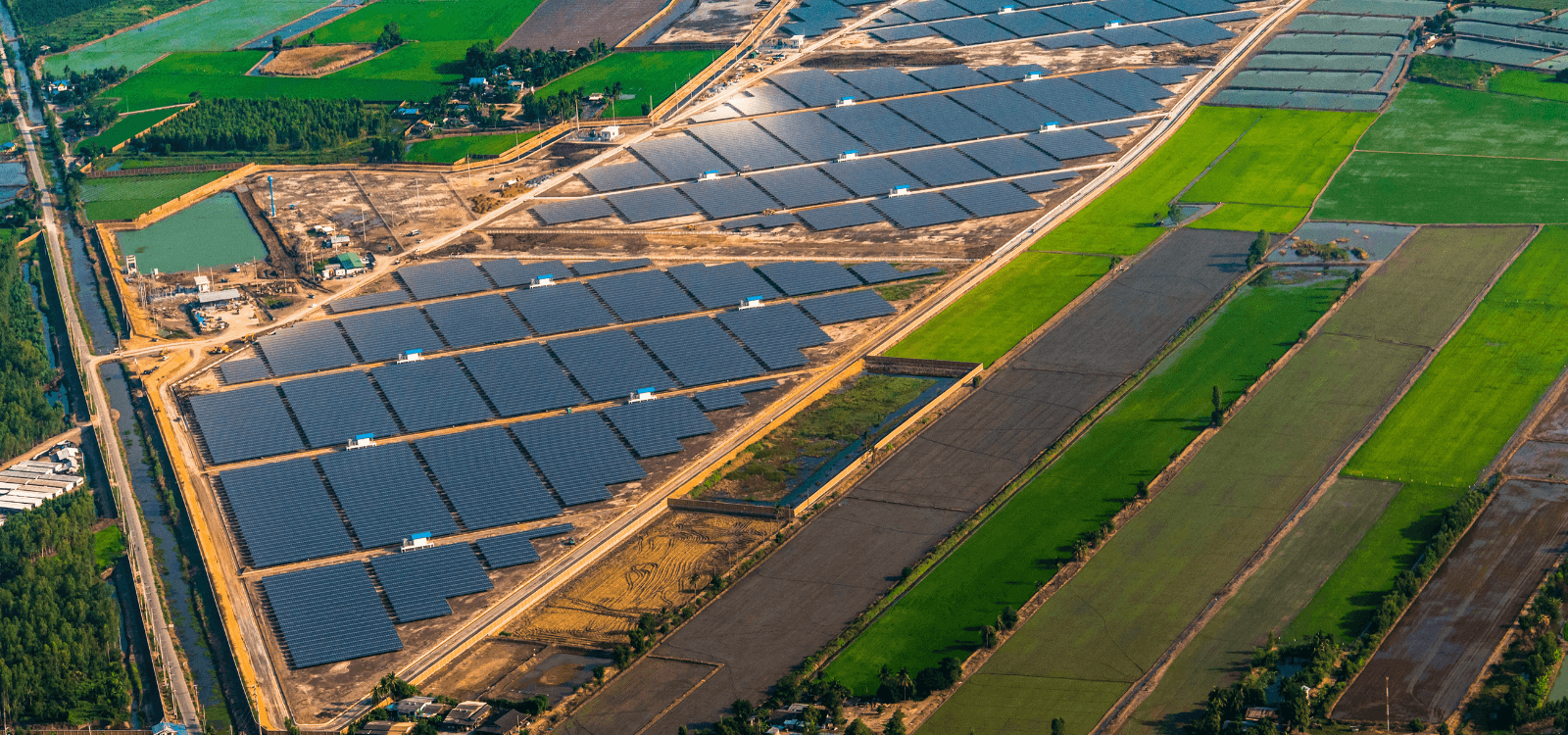
The Philippines is rushing 1.47 GW of renewable energy projects onto the grid within a month, led by solar. The move shows how quickly capacity can come online when bottlenecks are cleared, raising questions about what slows projects down under normal conditions.
The Philippines Is Fast-Tracking 1.47 GW of Renewable Energy in One Month
The Philippines is pushing 1.47 GW of renewable energy onto the grid within a single month. The plan covers 22 projects, with most of the capacity coming from solar.
This accelerated rollout comes in response to fuel price disruptions linked to tensions around the Strait of Hormuz. To move quickly, the Department of Energy is coordinating with the grid operator, electricity market operator, and energy regulator to clear outstanding issues across transmission, interconnection, inspection, registration, and metering.
What’s Being Brought Online
The fast-track includes a mix of technologies:
- ●12 solar PV projects totaling 1.28 GW
- ●6 hydroelectric projects
- ●2 biomass projects
- ●1 wind project
- ●1 integrated solar and storage system
These projects are already in advanced construction or final testing and commissioning phases, which makes rapid deployment possible.
Part of a Larger Buildout
The Philippines currently has about 8.26 GW of renewable capacity. That is expected to reach roughly 14.45 GW by 2026 and scale further to about 34.37 GW by 2031 across solar, wind, geothermal, hydro, and biomass.
The country’s targets are clear: 35% renewable generation by 2030 and 50% by 2040.
What This Acceleration Shows
The 1.47 GW being fast-tracked is relatively small compared to the long-term pipeline. But it highlights something important.
When projects are already close to completion, timelines can be compressed if agencies coordinate and bottlenecks are cleared. Transmission approvals, interconnection steps, and administrative processes can move faster when there is urgency.
The Bigger Question
This raises a broader issue. If projects can be pushed through quickly during a crisis, what is slowing them down under normal conditions?
Is it permitting timelines, grid access constraints, or coordination between agencies?
And if those barriers can be reduced in a high-pressure environment, can that same efficiency be sustained over the long term?
The answer will shape how quickly the Philippines can scale its renewable capacity in the years ahead.
Ready to Discuss Your Project?
Get your instant estimate or talk to our team about your legacy solar project.


