

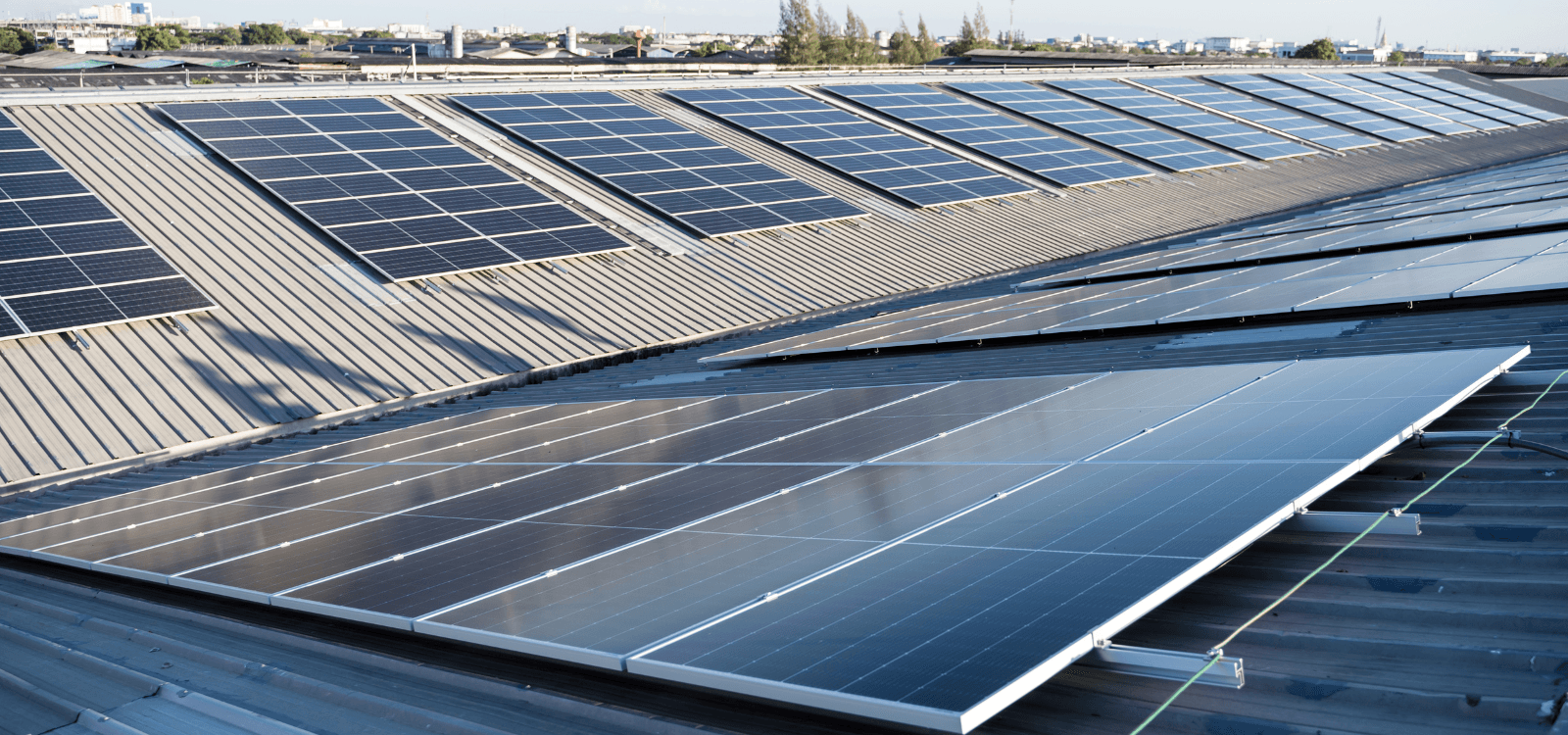
Solar saved Europe over €3.7 billion in fossil fuel costs in March alone by reducing reliance on gas during a price spike. The data shows how renewables are lowering electricity costs and improving energy security, but slower deployment could limit future gains.
Solar Is Cutting Europe’s Energy Costs in Real Time
Solar power is doing more than reducing emissions in Europe. It is cutting energy costs at scale.
In March alone, solar saved the EU more than €3.7 billion in fossil fuel imports, or over €110 million per day. According to an analysis by SolarPower Europe, the existing solar fleet generated 19.9 TWh of electricity in the first two and a half weeks of the Middle East conflict. If that demand had been met by gas-fired generation, it would have cost about €2 billion more, a 32% increase.
Why Solar Lowers Prices
Solar reduces how much gas Europe needs to burn. That matters because gas often sets the marginal price in electricity markets. When less gas is needed, prices fall across the system.
In the first 20 days of March alone, solar avoided around €2 billion in fossil fuel spending. If gas prices remain elevated, total savings in 2026 could reach €67.5 billion.
At the same time, fuel markets have been volatile. Brent crude prices have risen by more than 50% since the conflict began, while European gas prices have increased by roughly 70%, driven in part by disruptions around the Strait of Hormuz.
Renewables Are Changing the Power Mix
Recent data shows how quickly the energy mix is shifting. A report from Ember found that wind and solar generated 30% of EU electricity in 2025, slightly surpassing fossil fuels at 29%.
Several countries are already operating with high shares of renewables. Austria reached about 90%, followed by Sweden at 88%, Denmark at 80%, Spain at nearly 70%, Portugal at 65.8%, and Croatia above 58%. At the lower end, Malta generated about 10.7% of its electricity from renewables.
Real Impact on Gas Dependence
Spain offers a clear example. Since 2019, it has added more than 40 GW of wind and solar capacity. That expansion has reduced the number of hours when gas sets electricity prices by about 75%.
In the UK, wind output reached a peak of 23,880 MW on March 26, enough to power around 23 million homes, reducing gas generation to just 2.3% of supply at that moment.
A Shift in Energy Economics
In Europe’s power markets, the most expensive generator sets the price. When wind and solar are available, they displace gas and lower overall costs.
This changes the role of renewables. They are no longer only a climate solution. They are directly reducing energy costs and improving energy security.
A Risk of Slowing Momentum
Despite these gains, growth may be slowing. SolarPower Europe has signaled that new solar capacity additions could decline for the first time in more than a decade, largely due to grid integration challenges and permitting delays.
What Happens Next
Europe is at a turning point. The current system has shown that renewables can reduce dependence on imported fuels and protect against price shocks.
The question is whether policy and infrastructure will keep pace.
If deployment continues with strong policy support and faster permitting, Europe can lock in lower costs and greater energy security. If progress slows, the region remains exposed to future gas price volatility, with fewer renewables to absorb the impact.
Ready to Discuss Your Project?
Get your instant estimate or talk to our team about your legacy solar project.


