

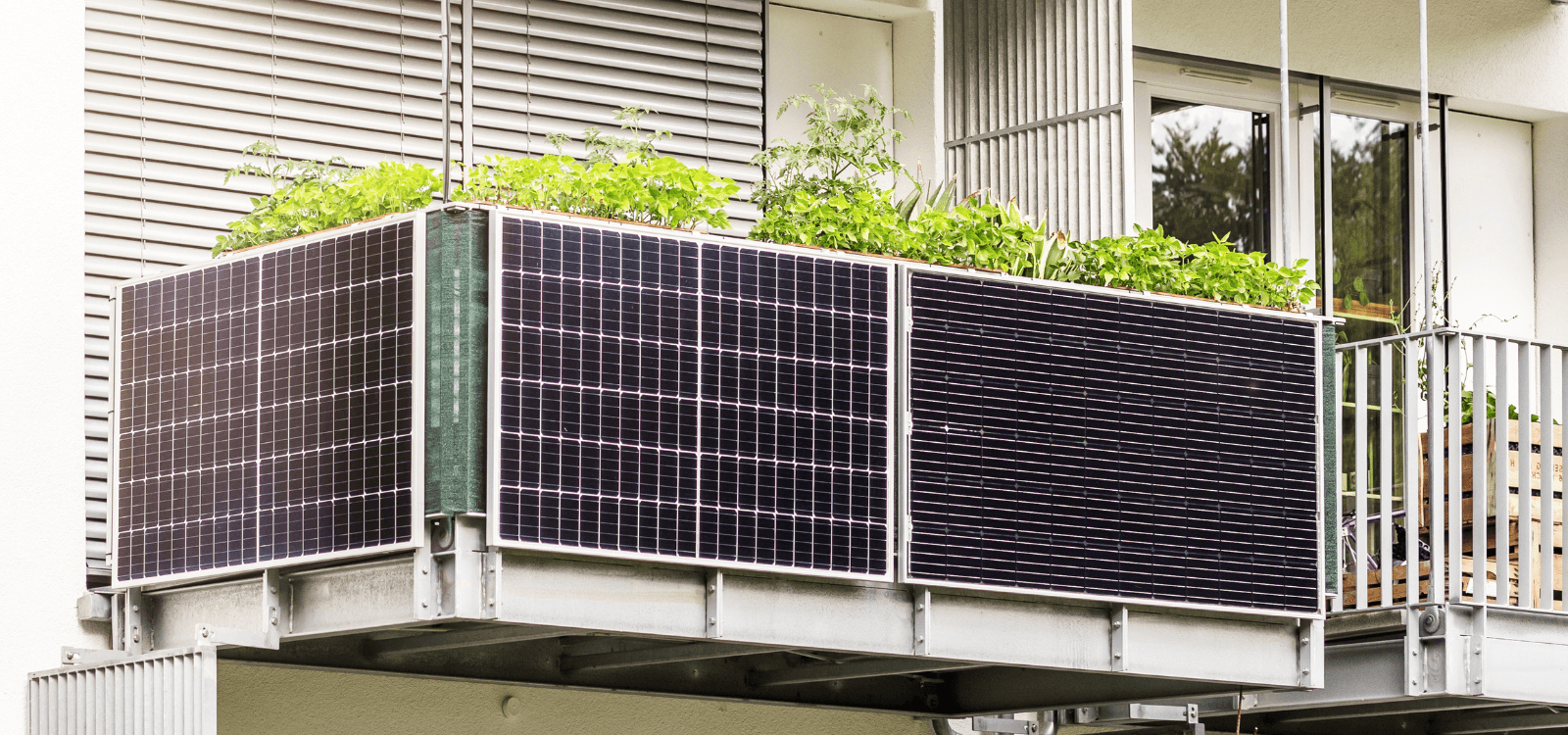
Maine just legalized plug-in solar systems up to 1,200 watts, making it easier for renters and apartment residents to generate their own power. The new law removes permitting barriers and signals growing momentum for balcony solar across the U.S.
Maine Legalizes Plug-In Solar, Opening Access for More Households
Maine has passed a new law that makes plug-in solar systems legal, marking a shift in how small-scale solar can be deployed in the United States.
On April 6, 2026, Governor Janet Mills signed LD 1730 into law. The legislation allows residents to install small plug-in solar and battery systems that connect directly to standard household outlets. Maine becomes the third state, after Utah and Virginia, to explicitly authorize this approach.
These systems can be up to 1,200 watts and are designed to offset a portion of a home’s electricity use without requiring traditional rooftop installation.
What the Law Allows
LD 1730 removes many of the barriers that have limited adoption. Systems must meet UL 3700 or an equivalent national safety standard, ensuring they can safely connect to household outlets. Inverters are required to shut off within 0.2 seconds if power is disrupted, preventing electricity from feeding back into the grid during outages.
Systems above 420 watts must be installed by a licensed electrician, and utilities must be notified within 30 days. However, utilities cannot require formal approvals, charge additional fees, or demand extra equipment beyond what is already built into the system.
These systems are not eligible for net energy billing.
Lowering the Barrier to Entry
The main impact of the law is access. Plug-in solar removes the need for permits, interconnection studies, and complex installation processes. That makes it viable for groups that have traditionally been excluded from solar adoption, including renters, apartment residents, and lower-income households.
With a simple setup, users can generate some of their own electricity using only a balcony, wall space, or other small mounting area.
Momentum Across States
Maine is part of a broader trend. Virginia has already passed legislation allowing similar systems and limiting landlord restrictions. Colorado is advancing a bill to reduce barriers for plug-in solar installations. California is considering legislation that would allow comparable systems if enacted.
Internationally, the model is already established. Germany has installed more than one million plug-in solar systems, showing that adoption can scale when regulatory barriers are removed.
A Shift in How Solar Is Deployed
Plug-in solar represents a different approach to distributed energy. Instead of requiring large upfront investments and complex approvals, it offers a smaller, more accessible entry point.
For states with high electricity costs and large rental populations, such as New York, Massachusetts, Connecticut, and New Jersey, similar policies could expand access to solar across a wider segment of households.
What This Means for Utilities
The growth of plug-in solar introduces a new dynamic for utilities. These systems can reduce peak demand and delay the need for grid upgrades. At the same time, they introduce more distributed generation outside traditional utility control.
How utilities respond will shape how quickly this model scales. They can treat it as a challenge to existing structures or as a resource that can be integrated into grid operations.
The policy direction is becoming clearer. The question is how the system adapts as more households gain the ability to generate their own power.
Ready to Discuss Your Project?
Get your instant estimate or talk to our team about your legacy solar project.


