

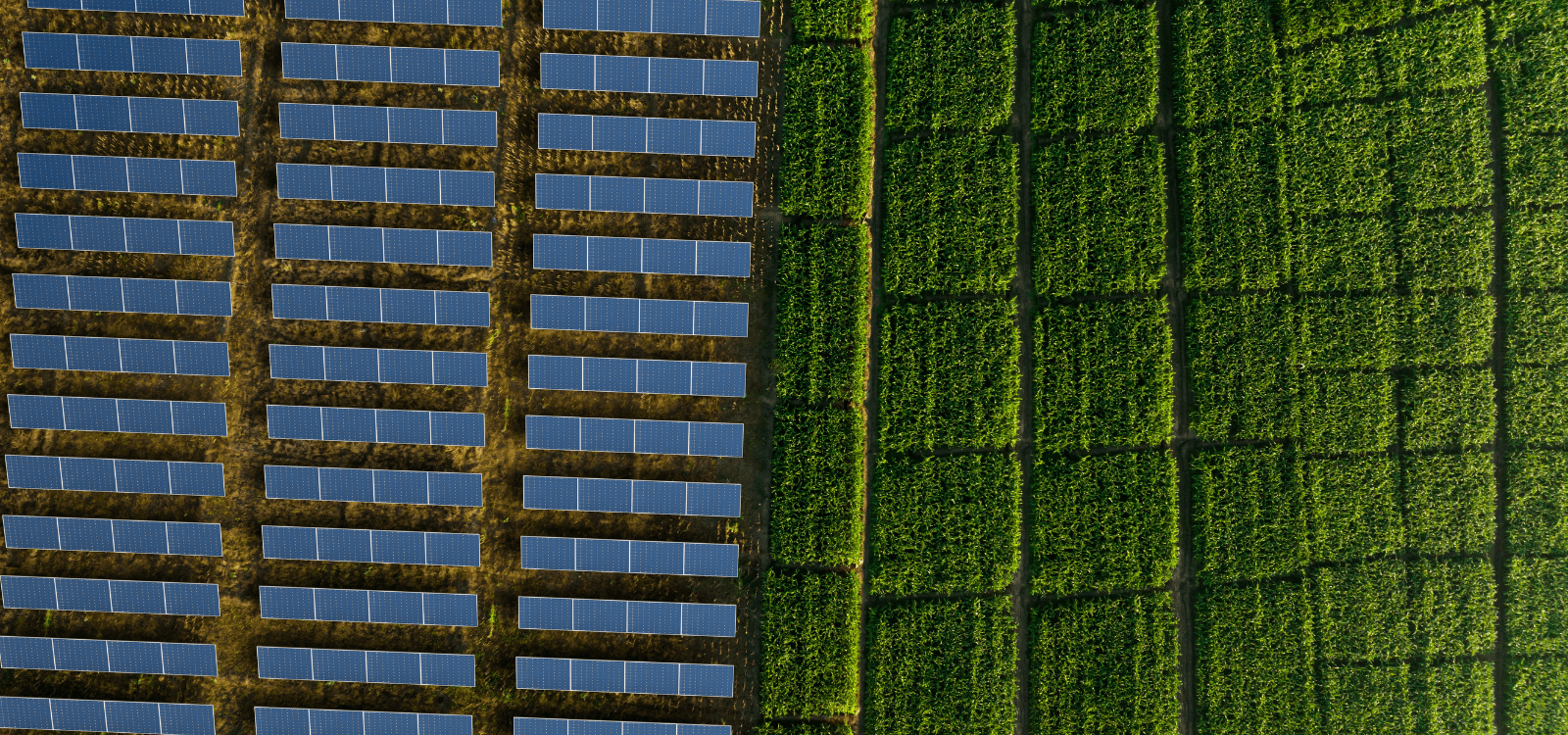
New York approved a 140 MW solar farm on 1,600 acres in Madison County, but locals say it takes 20% of a town's prime farmland. What's at stake.
In July 2025, New York gave final approval to Oxbow Hill Solar, a 140 MW project in the Town of Fenner in Madison County. On paper, it will power about 23,000 homes.
On the ground, it has become a flashpoint. Local officials say it will take a large share of the town's prime farmland, and most residents who spoke at public hearings opposed it.
Here is what's at stake in Madison County, why the fight matters beyond one town, and what it suggests about where solar should go.
What Is Being Built in Madison County?
Oxbow Hill Solar is a 140 MW project by Cypress Creek Renewables that will cover about 1,600 acres in the Town of Fenner and power about 23,000 homes, according to WRVO. Construction is expected to begin in 2027 and finish in 2028.
The project received its final state siting permit in July 2025. It will share land and a grid connection with the existing Fenner Wind Farm, as we covered in New York's approval of the Oxbow Hill project.
That co-location is part of what made it attractive to the state. Using an existing grid connection avoids new transmission, one of the slowest and most contested parts of building new power.
Why Are Local Officials and Residents Opposed?
Local officials say the project will consume about 20% of the Town of Fenner's prime farmland, and about 90% of people at public hearings opposed it, according to WRVO.
Jim Cunningham, chair of the Madison County Board of Supervisors, put it bluntly: "The Town of Fenner is going to lose 20% of their prime farmland." He pointed to alternatives like "parking lots and highway medians."
The core objections:
- ●Farmland loss. A large share of the town's best agricultural land would go to solar.
- ●Local control. State siting overrides local decisions about land use.
- ●Community impact. The debate has divided neighbors in a small rural community.
Is Madison County Against Renewable Energy?
No. County leaders say the issue is where projects go and who gets to decide, not whether to build renewables.
Madison County has a long history with clean energy, including wind development. Cunningham's request to the state was about process: "Let us have our home rule. Let us do it the way that the towns want to be able to do it."
That's a common pattern. Research on solar siting shows that conflict is driven more by project size and permitting process than by opposition to solar itself.
Why Does the State Say It Has to Move Forward?
Governor Kathy Hochul has argued that every community has to play a part in meeting New York's clean energy needs. Asked about the project, she told WRVO: "This will power 23,000 homes. What is the alternative if we don't find ways to have renewable clean energy?"
New York faces real supply pressure. The state has been retiring more generation than it adds while demand rises. Large projects like Oxbow Hill are part of how it plans to close that gap.
New York needs clean energy. Its farm towns want a say in where it goes. Both things can be true.
Does Solar Really Threaten Farmland?
Solar does take land out of crop production while panels are in place, but research suggests the threat to New York agriculture overall may be smaller than feared, and some models let farming continue alongside solar.
A Cornell study found that farmers who lease land for solar are more likely to reinvest in their farms. Lease income can help keep struggling farms in business.
There are also ways to share the land:
- ●Agrivoltaics. Crops or grazing under and between panels, like New York's first agrivoltaics project.
- ●Dual-use pilots. New Jersey approved 16 dual-use solar projects that keep farmland in production.
- ●Decommissioning plans. Requirements to restore land when projects end.
Where Else Could Solar Go?
Rooftops, parking lots, landfills, and existing solar sites can add capacity without taking new farmland. That's the alternative local officials keep pointing to.
The options each come with trade-offs:
- ●Rooftops and parking canopies. Close to demand, no farmland, but smaller and more expensive per megawatt.
- ●Landfills and brownfields. Land that has few other uses, though site conditions can add cost.
- ●Existing solar sites. Already permitted and connected, and often producing less than they could.
The last option gets the least attention. Many commercial and community solar systems built in the 2010s are losing output to aging inverters and degraded panels. Repowering an aging PV system restores that output without any new land.
Why Does the Madison County Fight Matter Beyond New York?
The clean energy transition isn't only a technical challenge. It's a social one, and projects that divide communities can slow everything down.
When local opposition grows, projects face lawsuits, delays, and political backlash. That affects the next project, and the one after that.
Getting more from sites that already exist, and working with communities on where new ones go, can reduce that friction while still adding clean power.
Start With a Ballpark Estimate
If you own an aging commercial solar system, it may be one of the easiest ways to add clean power without new land. Find out what your existing solar project may be worth before deciding whether to repair, repower, or sell.
Source: WRVO, "A large solar farm is planned for Madison County. Many officials and residents don't want it"
Ready to Discuss Your Project?
Get your instant estimate or talk to our team about your legacy solar project.


