

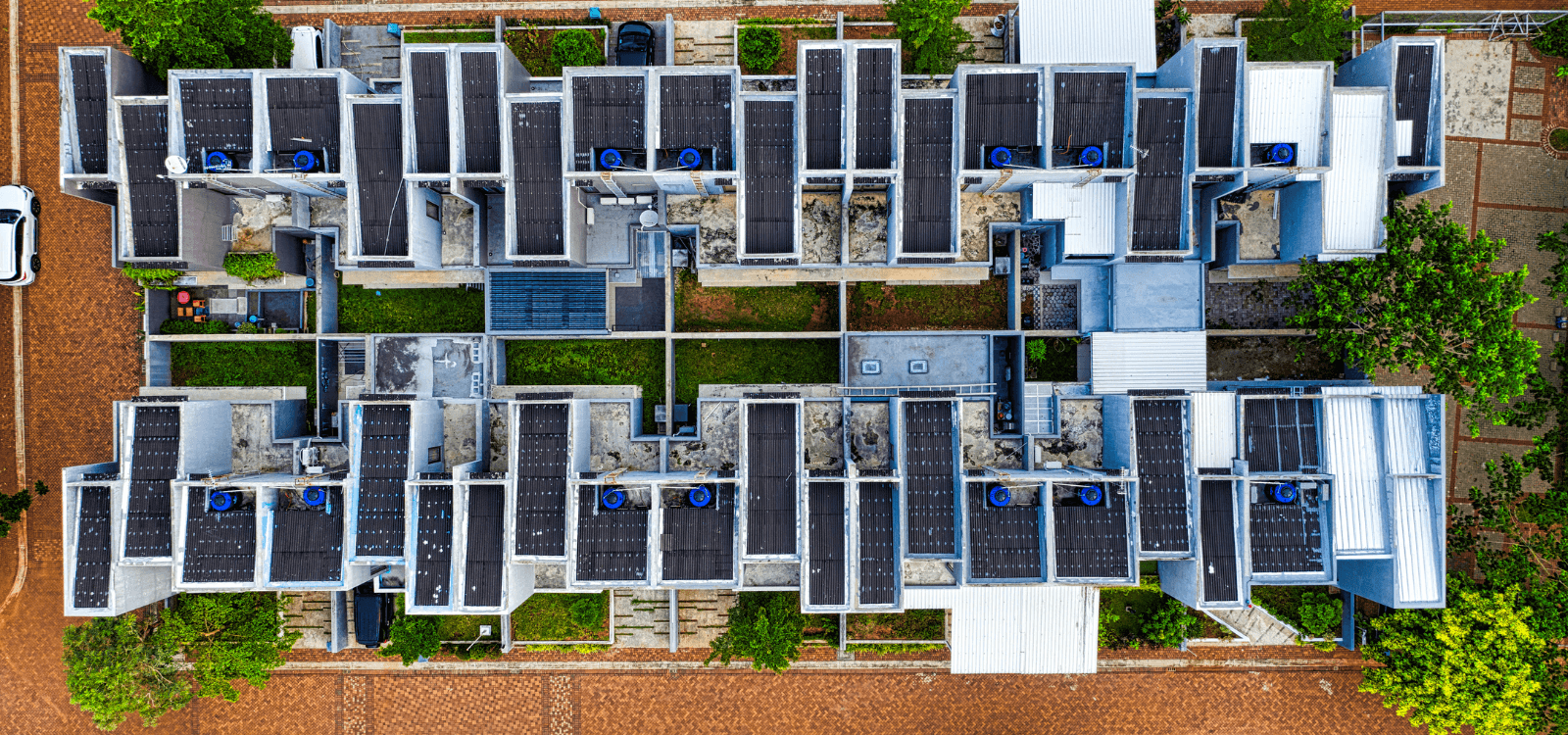
Puerto Rico dispatched about 70,000 home batteries to add 48 MW during summer 2025 shortfalls. How its virtual power plant works and what others can learn.
In the summer of 2025, Puerto Rico's fragile grid got help from an unusual place: tens of thousands of home batteries. On July 9, grid operator LUMA Energy dispatched about 70,000 batteries at once, contributing around 48 MW to the grid.
That's not a pilot or a promise. It's real capacity that helped keep the lights on during peak demand.
Here is how Puerto Rico built one of the largest virtual power plants in the U.S., why it works, and what other states can learn from it.
What Is Puerto Rico's Virtual Power Plant?
Puerto Rico's virtual power plant links home solar-and-battery systems so the grid operator can draw on stored energy during shortfalls. On July 9, 2025, LUMA dispatched about 70,000 batteries, contributing around 48 MW, according to Utility Dive.
The program is called the Customer Battery Energy Sharing program. In May 2025, Puerto Rico's Energy Bureau approved an emergency expansion ahead of expected summer generation shortfalls.
According to Utility Dive, the dispatches helped prevent multiple load-shedding events. Sunrun alone had begun dispatching more than 37,000 home batteries.
Why Did Puerto Rico Build So Much Home Solar and Storage?
After Hurricanes Irma and Maria caused the longest blackout in U.S. history in 2017, residents installed solar and batteries to keep their own power on.
The result is one of the densest concentrations of home solar and storage in the country. About 175,000 households have solar, and at least 160,000 of them also have batteries, according to Utility Dive.
That growth came from households, not the utility. People wanted energy independence after the grid failed them, and they built it themselves. We covered that trend in Puerto Rico's residential solar and storage outpacing utility-scale development.
What Made Puerto Rico's VPP Work?
Puerto Rico's virtual power plant worked because it was built on equipment people already owned, paid participants directly, and was designed around reliability rather than green goals alone.
The key ingredients:
- ●Existing equipment. The program uses rooftop solar and batteries already installed in homes.
- ●Direct payments. Sunrun customers earn a minimum of about $200 per battery for participating, with options to earn more.
- ●Reliability first. The program was built to prevent blackouts, not only to hit clean energy targets.
- ●Earned trust. After years of grid failures, residents had strong reasons to participate.
Puerto Rico didn't wait for the grid to be fixed. Residents built backup power, and now that backup power is helping fix the grid.
Why Does Distributed Storage Matter for Grid Reliability?
Distributed batteries can respond within seconds, are spread across thousands of locations, and are already installed, which makes them one of the fastest reliability tools available.
A traditional power plant takes years to build and can fail all at once. A virtual power plant is made of thousands of small systems, so one failure barely matters.
The same logic is showing up on the mainland. In New England, rooftop solar cut the region's peak demand by more than 2,000 MW during a June 2025 heat wave. States like Michigan are also advancing statewide virtual power plant programs.
Is Federal Support Keeping Up?
Not always. The federal government has scaled back some support for distributed solar in Puerto Rico, even as it proves its value.
We covered the cancellation of multimillion-dollar solar projects in Puerto Rico in early 2026. The island's experience shows what distributed energy can do, but scaling it still depends on policy and funding.
What Would It Take to Build a VPP in Other States?
Building a successful virtual power plant takes enough installed solar and storage, fair compensation for participants, and a grid operator willing to rely on distributed resources.
The lessons from Puerto Rico:
- ●Start with what exists. Enroll batteries and solar already on homes and businesses.
- ●Pay participants clearly. Simple, reliable compensation drives enrollment.
- ●Design for reliability. Target real grid needs like peak demand and shortfalls.
- ●Build trust. Show customers the program works and that their own backup power is protected.
Battery adoption is rising fast on the mainland too. Sunrun reported 70% of new customers adding batteries in Q2 2025.
Can Commercial Solar and Storage Play the Same Role?
Yes. Commercial solar-plus-storage systems can support the grid the same way home batteries do, often at larger scale per site. A single commercial battery can deliver as much as dozens of home systems.
Businesses have strong reasons to participate:
- ●Backup power. Batteries keep critical operations running during outages.
- ●Lower demand charges. Stored energy can cut the peak power a facility draws from the grid.
- ●Program payments. Demand response and VPP programs pay for making capacity available.
- ●Grid support. Less strain on local circuits during the hottest days of the year.
The details vary by state and utility, and not every market has a program yet. But the model Puerto Rico proved at the household level applies to commercial sites too.
What Does This Mean for Commercial Solar Owners?
A commercial system can only support the grid, or earn from it, if it's actually producing.
Many commercial systems installed in the 2010s were built without storage and are now losing output to aging inverters or degraded panels. Repowering can restore production and, in the right cases, add battery storage that opens up new value.
For more on the process, see what solar repowering involves.
Start With a Ballpark Estimate
Distributed solar and storage are proving their value on the grid. Find out what your existing solar project may be worth and whether repowering or adding storage would make it worth more.
Source: Utility Dive, "Booming solar and storage are propping up Puerto Rico's grid this summer"
Ready to Discuss Your Project?
Get your instant estimate or talk to our team about your legacy solar project.


