

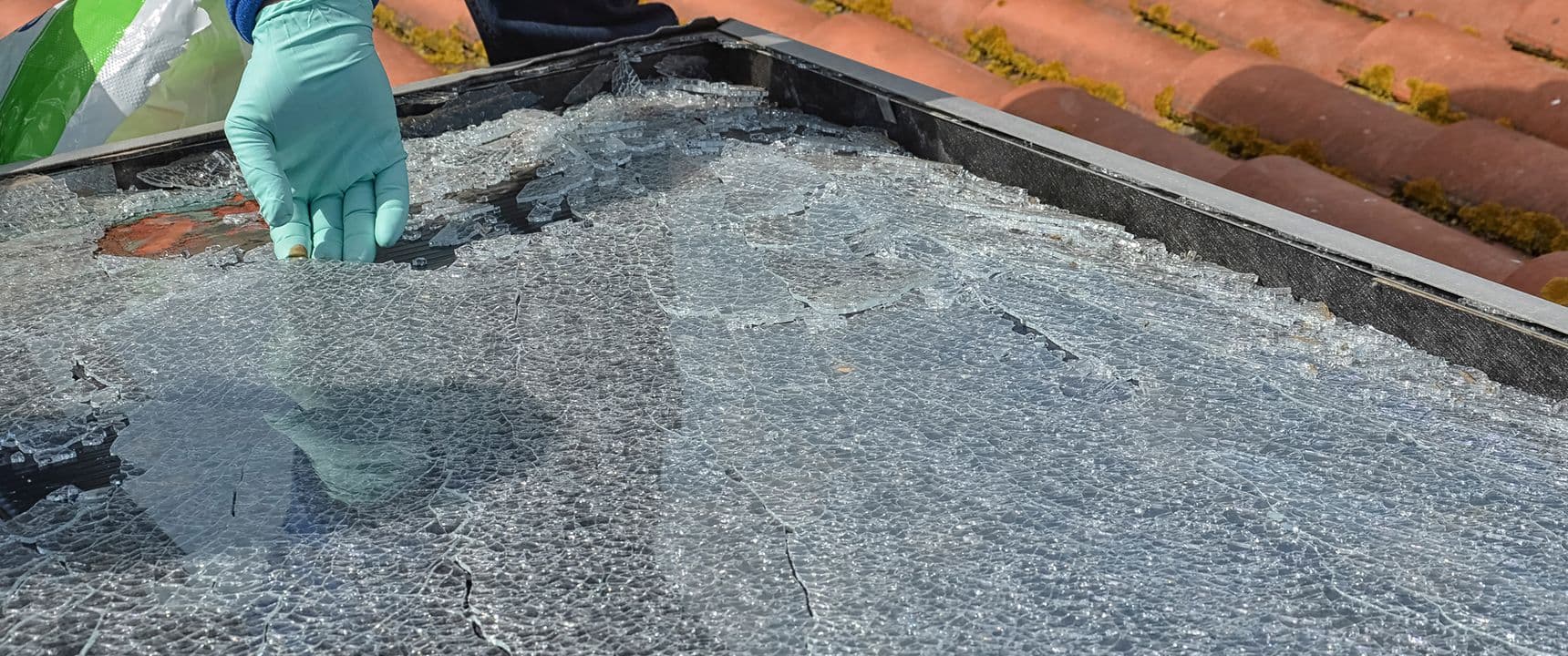
Solar panel degradation averages about 0.5% a year, but inverters and wiring wear too. What causes it, and how owners can extend a midlife system's life.
U.S. solar has grown fast. The country passed 6 million solar installations in the first quarter of 2026, according to the Solar Energy Industries Association, just two years after reaching 5 million.
That growth brings a new reality: a large share of those systems is reaching midlife. At that stage, a system isn't failing, but it is changing. Output slips, components wear, and owners face decisions that shape the system's remaining value.
Here is what causes solar panel degradation, the questions midlife owners most often ask, and the options for extending a system's useful life.
How Fast Do Solar Panels Degrade?
Solar panels lose output slowly, with a median degradation rate of about 0.5% per year according to a National Renewable Energy Laboratory review of nearly 2,000 field measurements. The actual rate varies with climate, panel type, installation quality, and maintenance.
Most panels carry warranties of 25 years or more, and degradation doesn't mean a panel is failing. Field data suggests solar panels don't die at 25 years, and many keep producing long after the warranty ends.
But small annual losses add up. Combined with rising maintenance costs, they mean lower returns and harder decisions as the years go by.
What Causes Solar Panel Degradation?
Solar panel degradation comes from light, heat, moisture, voltage stress, and UV exposure gradually breaking down the materials inside the module. Knowing which one is at work helps owners choose the right fix.
The most common types:
- ●Light-induced degradation (LID). A small, one-time efficiency loss in the first hours or days of sun exposure. It's normal and already factored into performance ratings.
- ●Potential-induced degradation (PID). Voltage stress between cells and the grounded frame, often worsened by humidity or poor grounding. It causes leakage currents and can drag down output across an array.
- ●Thermal cycling and freeze damage. Daily heating and cooling expands and contracts materials, creating microcracks in cells and solder joints. In cold climates, trapped moisture can freeze and widen those cracks.
- ●Delamination and hot spots. Layers inside the module separate, letting moisture in. Damaged cells can overheat into hot spots that cut production and create safety risks.
- ●UV exposure and discoloration. Years of sunlight break down the encapsulant, causing yellowing or browning that blocks light from reaching the cells.
We go deeper on how these issues compound in why commercial solar output quietly drops.
Can Inverters and Other Components Hold a System Back?
Yes. Inverters, wiring, and racking also wear out, and a failing inverter can cut a system's output even when the panels are still healthy. Heat, humidity, and poor ventilation speed up that wear.
Inverters are usually the first major component to go. When one does, the owner often faces a painful replacement quote and a choice about whether to repair, replace, or upgrade more broadly.
Understanding where the losses actually come from helps owners avoid unnecessary replacements. Sometimes one component is holding back an otherwise sound system.
What Do Midlife Solar Owners Usually Ask?
Many owners of midlife systems know their installation isn't new, but it isn't obsolete either. The questions we hear most often:
- ●Replace or repower? Is it worth swapping aging modules, or should the whole system be upgraded?
- ●Is it still producing enough? How do I tell whether output has fallen further than it should?
- ●Is the inverter the problem? Could a degraded inverter be dragging the whole system down?
- ●What does each path cost? How does upgrading compare with letting the system reach end-of-life?
- ●Does it affect my property? Could the system complicate a sale, refinancing, or lease?
- ●Who can help? Who can assess whether to sell, donate, or optimize the system?
On the property question, an unmanaged system can become a real obstacle. We've seen rooftop solar stall a real estate closing when nobody can answer who owns it.
What Makes Midlife Solar Management Hard?
Midlife owners typically face three problems at once: rising costs with falling output, uncertainty about end-of-life options, and no clear guidance on what to do next.
- ●Rising costs, falling output. Production drops while repair and maintenance costs rise, and owners aren't sure whether to reinvest or move on.
- ●End-of-life uncertainty. Many owners don't know how to handle degraded panels responsibly, so equipment sits idle, wasting both energy and roof space.
- ●Lack of clear guidance. Without a roadmap, owners delay decisions, and the system loses value while they wait.
How Can You Extend the Life of a Midlife Solar System?
Most midlife systems can be kept productive through a full assessment followed by targeted component replacement or repowering, rather than a full rebuild or early removal. The right mix depends on the system's condition.
Options to consider:
- ●System assessment. Evaluate the whole system, including modules, inverters, wiring, and racking.
- ●Targeted component replacement. A new inverter or a set of replacement modules can recover much of the lost output.
- ●Repowering. Upgrading outdated equipment across the system, covered in what solar repowering involves, revives it without starting from scratch.
- ●Resale or donation. Some older systems can be sold, donated to nonprofits, or repurposed for lower-load uses.
- ●Responsible recycling. Equipment that can't be reused should be recycled rather than sent to landfill.
Midlife isn't the end of a solar system. It's the point where the decisions start to matter most.
How Does Do Good Energy Help Midlife Solar Owners?
At Do Good Energy, we buy, repower, and manage aging commercial solar systems. For midlife owners, that means:
- ●No upfront cost. We assess the system and lay out the options, whether sale, donation, or repowering, with no initial financial commitment.
- ●Ownership relief. If the system has become a burden, we can take it over and manage it.
- ●Repowering. We replace degraded components to extend the system's life and restore output.
- ●Sustainable outcomes. We follow a reuse, reduce, recycle approach to limit waste.
In one case, a commercial property owner had an array installed more than a decade earlier. Output had dropped and maintenance needs had grown. We took over the lease and system management, replaced outdated inverters and underperforming modules, set up a new tenant-friendly PPA, and started a proactive maintenance program. The system now delivers solar power to tenants, and the owner no longer carries the operational burden.
Start With a Ballpark Estimate
If your system is entering its second decade, now is the time to look at your options. Find out what your existing solar project may be worth before the next repair decision lands on your desk.
Degradation is gradual and predictable. With the right plan, a midlife system can keep delivering value well past its warranty.
Sources: SEIA, "6 Million Solar Installations"; NREL, "Photovoltaic Degradation Rates: An Analytical Review"
Ready to Discuss Your Project?
Get your instant estimate or talk to our team about your legacy solar project.


