

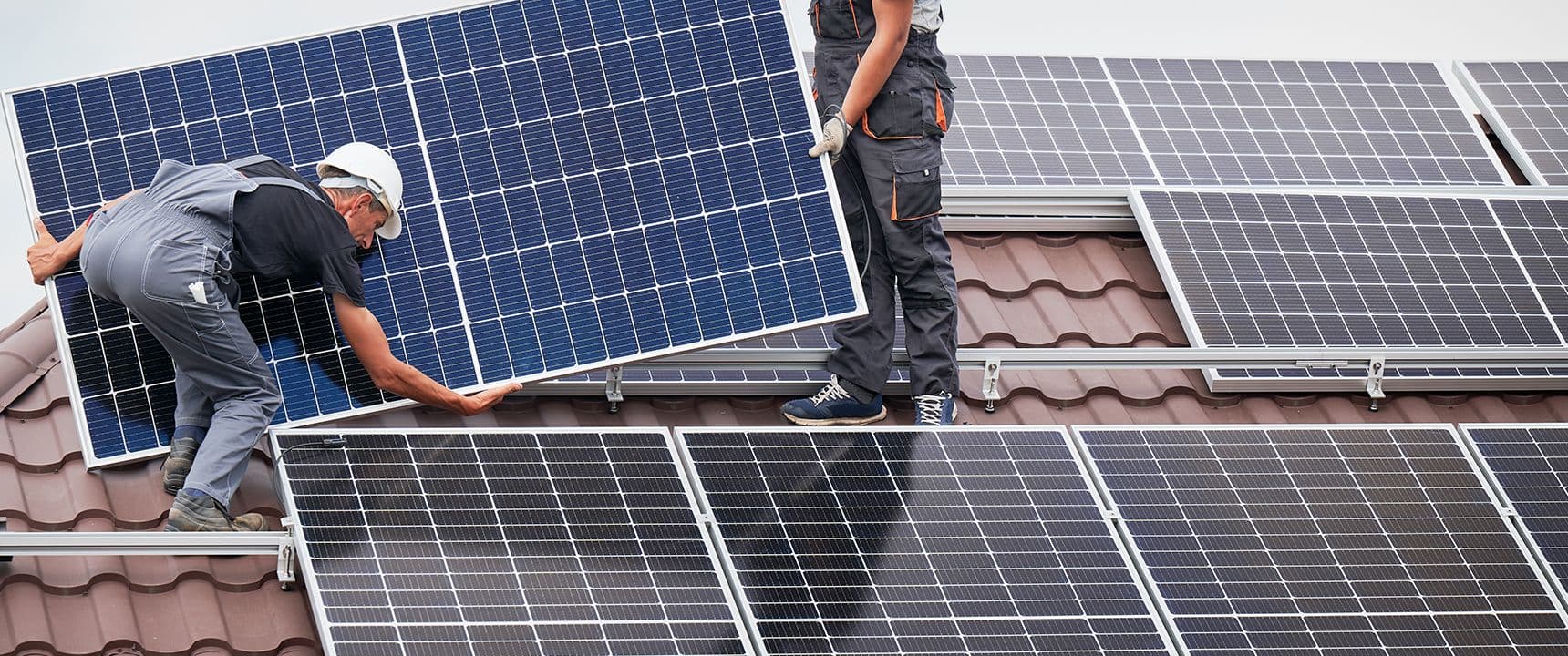
Solar repowering upgrades aging PV systems with new inverters and modules to restore output and extend system life. How it compares to repairs or removal.
Commercial solar systems are built to cut energy costs and generate revenue for decades. But as they age, output slips, parts fail, and maintenance bills climb.
Many owners respond by patching problems one at a time or by writing the system off entirely. There is a third option that often makes more sense: solar repowering.
Here is what repowering involves, how it compares to maintaining or decommissioning a system, and what to evaluate before you decide.
What Is Solar Repowering?
Solar repowering is the process of upgrading an existing solar system by replacing or enhancing key components, usually inverters and modules, while reusing durable infrastructure like racking and wiring where it's still sound. The goal is to restore output and extend the system's working life without the cost of building from scratch.
Picture a commercial system installed 10 to 15 years ago. The panels are still producing, but less than they used to. An inverter has failed or is close to it, and the monitoring platform no longer reports reliable data.
Repowering addresses those problems together instead of one breakdown at a time. A typical project can include:
- ●New inverters. Replacing failed or obsolete units with current models.
- ●New modules. Swapping degraded or damaged panels for higher-output ones.
- ●Design optimization. Adjusting array layout and stringing to improve production.
- ●Infrastructure review. Inspecting wiring, mounting structures, and site conditions to decide what can stay.
- ●Storage readiness. Preparing the system to add a battery if it makes sense for the site.
How Do Solar Systems Age and Lose Output?
Solar panels lose output gradually, typically 0.5% to 1% per year according to the National Renewable Energy Laboratory, while inverters usually fail much sooner than the panels they serve. Both problems compound as a system gets older.
On the module side, UV exposure, heat cycles, and weather wear down materials over time. Common signs include:
- ●Delamination. Layers inside the module separate, letting moisture in.
- ●Snail trails. Thin dark lines across cells, often a sign of microcracks.
- ●Hot spots. Cells that overheat, causing permanent damage and potential safety risks.
- ●Soiling and pests. Dirt, debris, and animal damage that cut production if left alone.
We break down how these issues stack up in why commercial solar output quietly drops.
Inverters are the bigger near-term risk. A typical string inverter lasts about 10 to 15 years, according to pv magazine citing EnergySage, well short of a panel's expected life. When the inverter goes, the whole string or system can stop producing, even if every panel is fine.
Older systems also tend to lack modern monitoring, and some no longer match current electrical codes. That combination means more downtime, more regulatory risk, and rising O&M costs.
Should You Maintain, Decommission, or Repower?
Owners of aging solar systems eventually face three choices: keep patching, tear the system out, or repower it. Each path carries very different costs and outcomes.
Maintaining the Status Quo
Patching an aging system can look cheaper in the short term. Over time, though, repairs get more frequent and parts for older equipment become harder to source.
Production keeps falling while maintenance spending rises. Liability grows as well, since failing equipment can create safety hazards.
Decommissioning
Decommissioning means removing the system entirely: panels, inverters, wiring, and racking. Some components can be recycled, but much of the equipment was never designed with disposal in mind.
It also takes a working generation source off the grid at a time when electricity demand is rising. The original investment is written off, along with whatever revenue the site could still earn.
Repowering
Repowering keeps what still works and replaces what doesn't. Instead of scrapping the system, the upgrades target the components that limit production, usually the inverter first.
The result is a site that produces more, fails less often, and keeps earning for years longer than it otherwise would.
Most aging systems aren't dead. They're held back by a few parts that wore out first.
What Should You Evaluate Before Repowering?
Before committing to a repowering project, review the system's performance history, physical condition, and regulatory requirements so you know what can be reused and what must be replaced. A clear picture up front prevents surprises mid-project.
Key areas to assess:
- ●Performance history. Compare actual production to expected output and review maintenance records.
- ●Physical condition. Inspect racking, wiring, roof or ground mounts, and the array structure.
- ●Equipment status. Check inverter age, warranty coverage, and whether replacement parts are still available.
- ●Technology needs. Decide whether modern monitoring or battery storage should be part of the upgrade.
- ●Site potential. Consider whether the site could support more output with newer equipment.
- ●Contracts and compliance. Confirm interconnection terms, permits, and any power purchase or incentive agreements tied to the system.
What Are the Benefits of Solar Repowering?
Repowering can restore lost production, extend a system's useful life, and cost far less than a full rebuild because it reuses sound infrastructure. The exact gains depend on the system's condition and the equipment chosen.
The main benefits:
- ●Higher energy production. Replacing degraded modules and failed inverters recovers output the system has been losing.
- ●Longer useful life. Upgrading the parts that wear out first can keep a system productive for another decade or more.
- ●Lower cost than rebuilding. Keeping racking, wiring, and the interconnection avoids much of the expense of a new project.
- ●Less waste. Fewer components go to landfill compared with full decommissioning.
- ●Future flexibility. Modern equipment is better suited to monitoring, storage, and grid services.
Why Is Now a Good Time to Consider Repowering?
The U.S. solar fleet is aging, electricity prices are rising, and federal credits for new solar projects are being phased out, which together make existing systems more valuable to keep running.
A few trends are converging:
- ●An aging fleet. A large share of U.S. solar is reaching midlife, and thousands of systems built in the 2010s are hitting inverter replacement.
- ●Rising electricity prices. Every kilowatt-hour a system produces offsets grid power that keeps getting more expensive.
- ●Shrinking federal incentives. The One Big Beautiful Bill Act cuts short the tax credits for new solar and wind, making new builds harder to finance.
- ●Longer panel life than expected. Field data suggests many panels keep producing well past their warranty, so solar panels don't die at 25 years.
If your system is still under a working contract but underperforming, acting before a major failure usually gives you more options.
How Does Do Good Energy Handle Repowering?
At Do Good Energy, we buy, repower, and manage aging commercial solar systems. For owners who don't want to run the project themselves, the process is straightforward:
- ●Step 1: Assessment. We evaluate the system's condition, production history, and equipment to see where repowering makes sense.
- ●Step 2: Acquisition. If owning the system is no longer the best path for you, we purchase it. That includes commercial rooftops, ground-mounted systems, and solar farms.
- ●Step 3: Repowering. We replace failed or degraded equipment, optimize the design, and bring the system back to reliable production.
Start With a Ballpark Estimate
Whether you plan to repower the system yourself or hand it off, it helps to know where you stand. Find out what your existing solar project may be worth before your next repair quote arrives.
An aging system doesn't have to become a liability. With the right upgrades, it can stay a productive asset for years to come.
Sources: National Renewable Energy Laboratory, "Aging Gracefully: How NREL Is Extending the Lifetime of Solar Modules"; pv magazine USA, "How long do residential solar inverters last?"
Ready to Discuss Your Project?
Get your instant estimate or talk to our team about your legacy solar project.


